1. Introduction: System Positioning and Structural Contradiction of Zi-Po
In Zi Wei Dou Shu, the Zi Wei + Po Jun same-palace pattern in the Chou/Wei axis is one of the strongest configurations for studying institutional defense versus systemic disruption.
Zi Wei (Yin Earth) represents imperial legitimacy, hierarchy, and order control. Po Jun (Yin Water) represents depletion, rupture, and reset.
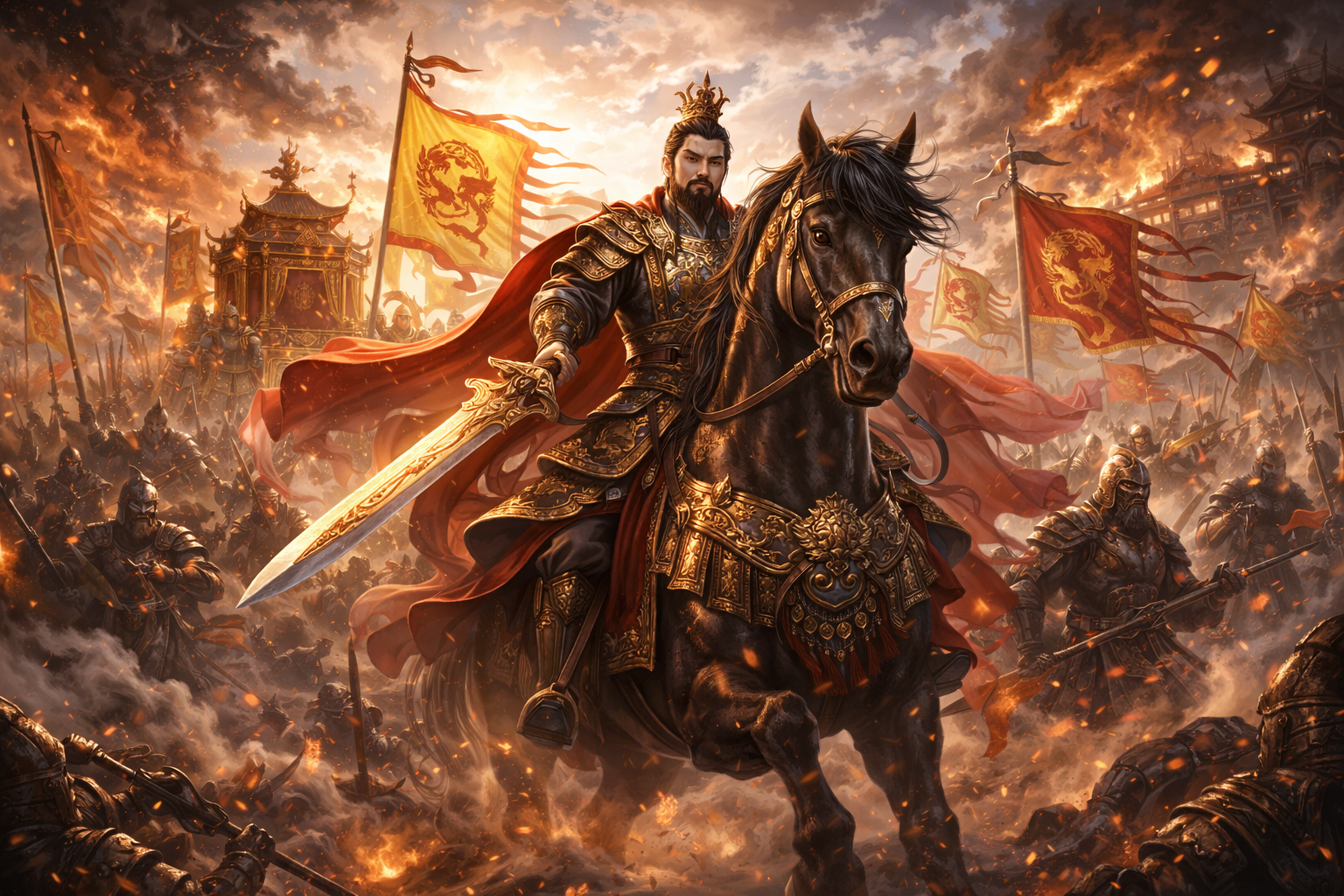
When these two stars cohabit, the image is extreme: a sovereign and a rebel commander in one room.
This is not a simple good/bad pattern. It is a high-volatility transformation engine.
2. Star Nature: A Disruptor at the Top of Hierarchy
2.1 Zi Wei: dignity, conservatism, and macro command
Zi Wei transforms qi into authority. It seeks stability, reputation, and command legitimacy.
It prefers ruling through existing structures and supporting officials. By default, Zi Wei values control over risk.
2.2 Po Jun: depletion, grassroots force, and micro-level disruption
Po Jun transforms qi into depletion. Its core rule is "break first, rebuild later."
It rejects rigid systems, tolerates high cost, and is willing to cut relationships or assets to force structural reset.
3. Decision Psychology: Imperial Expedition and Cold Cutover
Zi Wei wants stability; Po Jun wants mutation. Together, they create a "control versus breakthrough" inner conflict.
This is why Zi-Po is often described as imperial expedition:
- Zi Wei normally commands from above
- Po Jun forces direct frontline engagement
So life paths are rarely linear. They are marked by sharp turns, forced or chosen.
In management, Zi-Po can combine strategy vision with fearless execution. Once the native judges the old system obsolete, restructuring can be rapid and severe.
Classical texts call this "cold" or "ruthless." In modern operations language, it is often objective cutover: removing failing units to preserve the whole system.
4. Palace Spectrum: Chou vs Wei and the Sun-Moon Support Gap
4.1 Wei Palace: institutional innovator
In Wei, Zi Wei's Earth base is relatively stronger and external support structures tend to be easier to integrate.
This version of Zi-Po is more likely to execute rational reform: controlled disruption followed by systemized reconstruction.
4.2 Chou Palace: extra-system revolutionary
In Chou, early support can be thinner, with more "start from zero" trajectories.
Action style becomes rougher and more extreme. Peaks and drawdowns are usually larger, especially when malefic pressure is strong.
5. Opposite-Palace Projection: Tian Xiang Mask and Strategic Compromise
Zi-Po's opposite palace is Tian Xiang, creating an "inner Zi-Po, outer Tian Xiang" dual layer.
- inner core: disruptive restructuring
- outer interface: procedural, polished, rule-aware
At first contact, natives often appear disciplined and diplomatic. But in core-interest execution, Zi-Po can quickly override the mask.
This reveals the deeper loop: disruption is not the final goal; re-sealing authority is.
6. Four Transformations: Stability of Fuel and Breakout Timing
6.1 Po Jun Hua Lu (Gui): profit in turbulence
Po Jun is a depletion star, so resource supply is critical. Hua Lu converts destructive momentum into rebuild returns.
6.2 Po Jun Hua Quan (Jia): maximum reorganization force
Execution pressure, speed, and decisiveness all rise. So do friction, burn rate, and health strain.
6.3 Zi Wei Hua Quan (Ren): concentrated command
Authority hardens and compromise shrinks. Good for wartime leadership, risky for long-term coalition sustainability.
6.4 Zi Wei Hua Ke (Yi): reputation-led reform
Hard force is softened by credibility strategy. Reform becomes more narrative-driven, credential-backed, and institutionally acceptable.
7. Conclusion: Builders of New Order Through Turbulence
Zi Wei + Po Jun binds power will to structural reset.
The core question is not whether volatility exists, but whether the native can manage conversion:
- disruption cost -> controlled investment
- chaos window -> rebuild sequence
- frontline force -> durable governance
If the native only breaks, trust and capital burn out. If the native also rebuilds, accumulates, and reintegrates, Zi-Po evolves from rebel profile into a high-grade order architect for unstable eras.
If you want to see whether your Zi Wei + Po Jun is in pure depletion mode or entering a true break-and-build cycle, map it through a full-chart reading.
👉 Get my in-depth Zi Wei chart analysis now →
If you want to bring these Zi Wei or annual-cycle patterns back to your real questions about work, relationships, or timing, try the Purplestarmapper free divination service and turn abstract metaphysics into a practical reading.
