Article

Zi Wei Six Lucky & Six Malefic Stars

Six benefics strengthen support, six malefics bring pressure and trials. Compare all twelve at a glance.

officer

Lucky Star
officer star illustration

左輔 is known as the chief minister of the Zi Wei system. Its essence is proactive support—steady, substantial, and often selfless. Psychologically it reflects a person’s execution bandwidth: how much external help they can mobilize to land a plan. Compared with 右弼, 左輔 is more public and direct, usually coming from colleagues, peers, or partners. Without 左輔, 紫微 lacks the right‑hand to implement policy and can become a lone ruler. 左輔 stabilizes a main star’s volatility and turns it into steady achievement. Yet it is an additive force: in the spouse palace it can imply an extra person in the relationship, where its “good” nature shifts due to a mismatched palace. If the main star is too soft (such as 天同), 左輔 can increase dependence and weaken independent initiative.

helper

Lucky Star
helper star illustration

右弼 is paired with 左輔 but is subtler, more emotional, and carries a peach‑blossom tint. 左輔 is “active,” 右弼 is “quiet”—the former is overt support, the latter is behind‑the‑scenes connections or indirect opportunities. As a water element it lubricates relationships, softening friction and letting matters be resolved through informal channels (favors, attraction, networking). In configurations, 右弼 excels at repair; when a main star is damaged it offers buffering energy. Its downside is entanglement, especially in relationship palaces where its romantic pull can trigger triangles. With strong stars like 紫微 or 天府 it increases warmth; with 桃花 stars like 廉貞 or 貪狼 it can amplify their drift.

assistant

Lucky Star
assistant star illustration

天魁 represents the heavenly leader—direct promotion from elders, superiors, or institutional authority. It is visible, honorable, and system‑based. Its appearance often means an opportunity you can’t easily refuse, like policy tailwinds or a direct appointment. In interpretation, 天魁 signifies nobility, raising one’s social tier and shortening detours. It loves to be aspected by 天機, pointing to opportunity. Psychologically it is upright and dignified, but can carry a touch of pride. When 魁鉞 meet in the chart, one often meets benefactors throughout life. Note: its help is conditional—you usually need to meet institutional expectations.

aide

Lucky Star
aide star illustration

天鉞 is the hidden talent‑scout. Unlike 天魁’s public promotion, its help comes from the shadows—private recommendations or timely, informal financial or emotional aid. Its tone is gentle and restrained. In practice, 天鉞 has a turn‑misfortune‑to‑fortune buffering effect, helping a main star find a breakthrough through networks. Yet when in the Life or Spouse palace it can bring “confused peach‑blossom” risks because benefactor luck is built on goodwill. With soft stars like 天同 or 太陰 it increases tenderness and charm, which then converts into real resources.

scholar

Lucky Star
scholar star illustration

文昌 is “visible intelligence”: degrees, certificates, contracts, rites, and official rules. It is orderly and structured. It governs rationality, logic, and evidence. In configurations it anchors the classic 陽梁昌祿 pattern and represents success within orthodox education. People with 文昌 in Life are often reserved and reputation‑conscious. It most fears 化忌: 文昌化忌 signals not just misjudgment but contractual collapse—fraud, dismissal, or official paperwork errors. With metal stars like 武曲 it gains professionalism; with 破軍 it can swing into restless decision‑making. Its power lies in written proof that grants legitimacy and dignity.

artist

Lucky Star
artist star illustration

文曲 is emotional inspiration, the counterpart to 文昌’s orthodoxy. It rules performance, eloquence, metaphysics, aesthetics, and unconventional talent. Its energy is fluid—highly contagious and seductive. Psychologically it represents intuition and emotional expression, making one witty and adaptable but also prone to slickness or insincerity. It is also a peach‑blossom star: its attraction comes from resonance of mind and feeling. When 文曲化忌, it brings disputes, emotional deception, or poor judgment. A harsh pattern like “水中作塚” (破軍 + 文曲 with 化忌) points to ruin from impulsive emotion or concealment. With 天機 or 巨門 it maximizes eloquence, but the main star must be stable or it becomes flighty.

driven

Malefic Star
driven star illustration

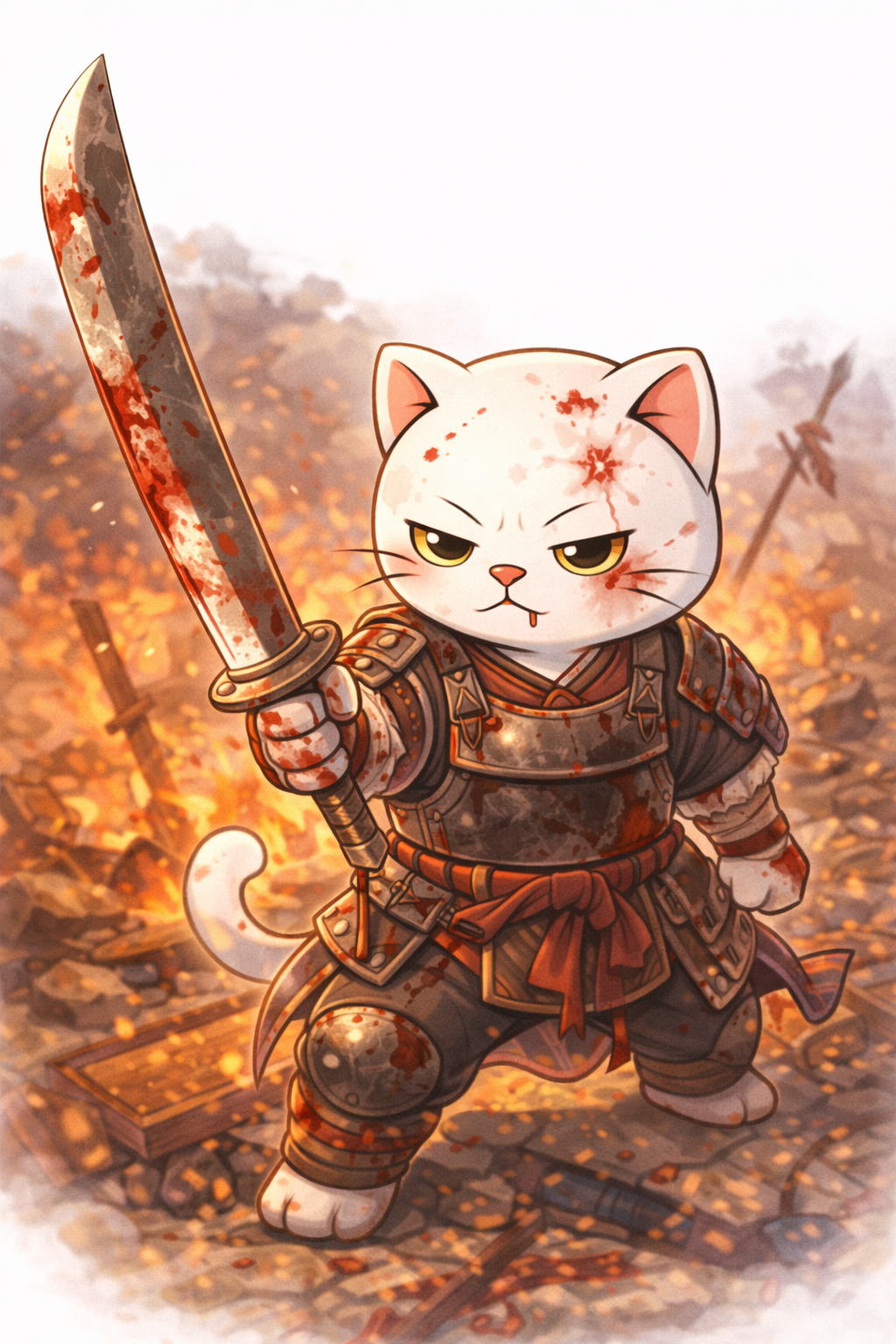
擎羊 is the “surgical knife” and the destroyer. It always accompanies 祿存, indicating competition and the cost behind wealth. Its energy is explosive, fierce, and uncompromising. It often correlates with bodily injury, surgery, accidents, or legal conflict. In high configurations, however, 擎羊 is the drive that accomplishes great things, giving the main star the will to cut through obstacles. The classic “horse‑head with arrow” (午宮擎羊 with 天同化祿) shows turning evil into merit. People with 擎羊 in Life are stubborn and aggressive; it works best with martial stars (七殺, 武曲) to add authority. In the Health or Parents palace it signals punishment or injury. Its logic is change through pain—harsh but decisive.

tangled

Malefic Star
tangled star illustration

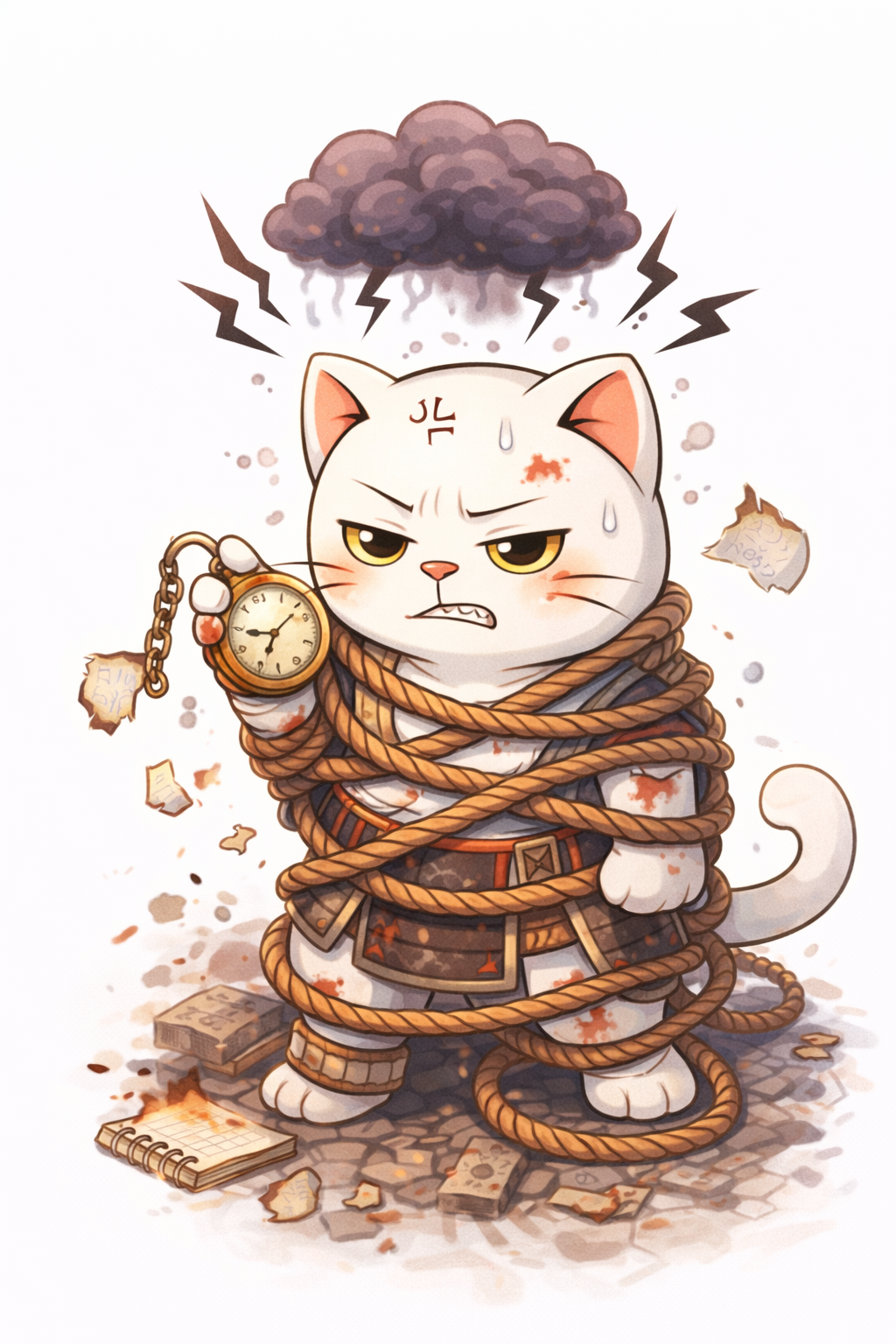
陀羅 is slow, chronic torment—like a spinning top stuck in place. It brings delay, hidden resistance, and twice the work for half the result. Unlike 擎羊’s clean cut, 陀羅 is long‑term friction and mental entanglement, representing petty people, latent illness, or recurring difficulty. Psychologically it is obsession and tunnel vision, creating indecision. Yet it also grants extraordinary endurance and grit; in research or technical development it becomes deep cultivation. In relationship palaces it’s a karmic knot—hard to cut, impossible to clarify. A risky pattern like “鈴昌陀武” points to collapse from stubborn mistakes and hidden obstacles. Its lesson is to learn letting go and stop‑loss.

impulsive

Malefic Star
impulsive star illustration

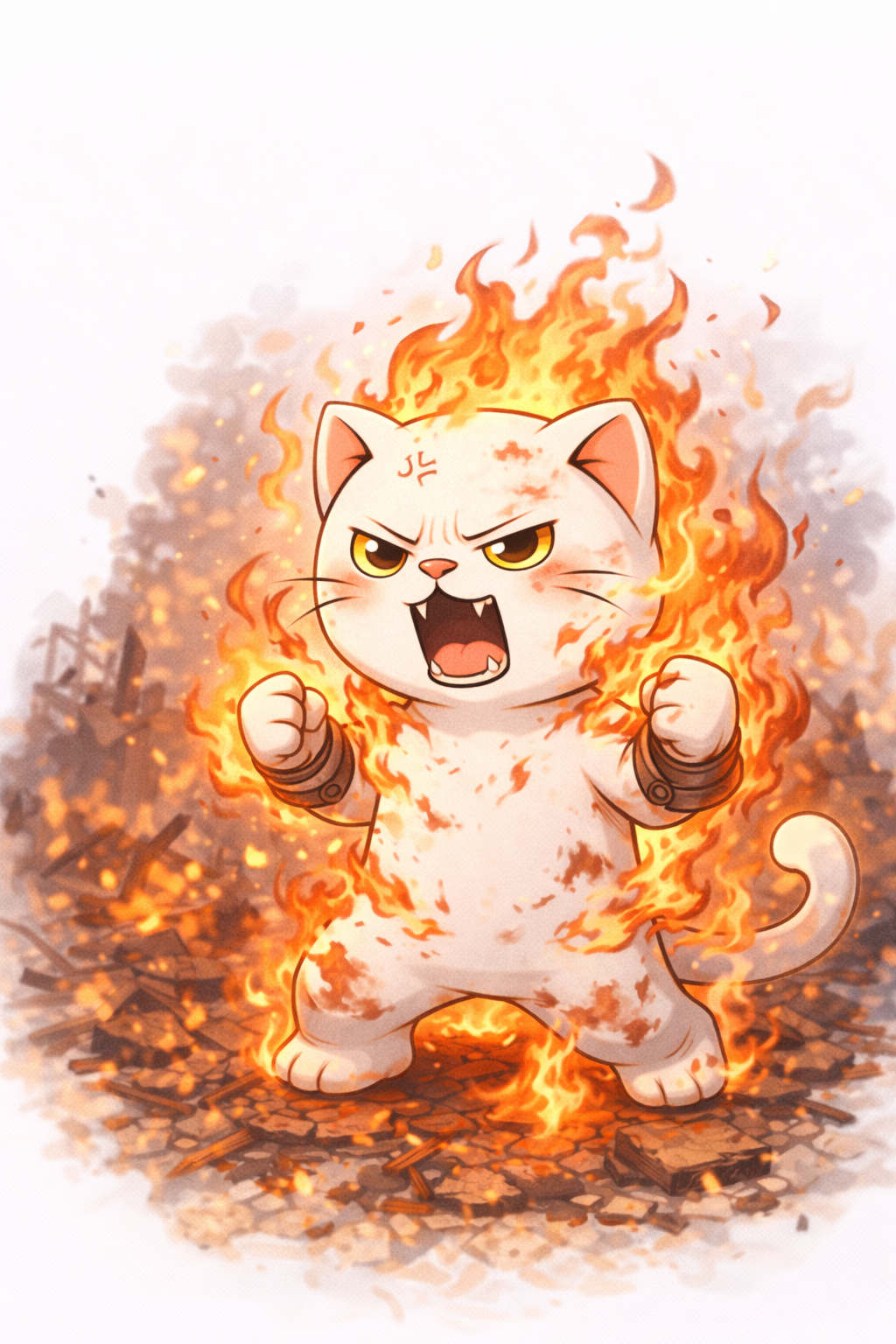
火星 is the burning fuse—sudden change, rage, and disaster. It is extremely fast: destructive but short‑lived. People with 火星 in Life are impatient and fierce, acting with lightning speed. It can ignite a calm configuration into chaos or into a powerful burst of action. Its most auspicious use is the “Fire‑Greed” pattern (火星 with 貪狼), signaling sudden wealth and windfall. Otherwise it denotes fires, acute illness, or abrupt conflict. Without a strong main star to steer it, 火星 simply creates waste and exhaustion.

spark

Malefic Star
spark star illustration

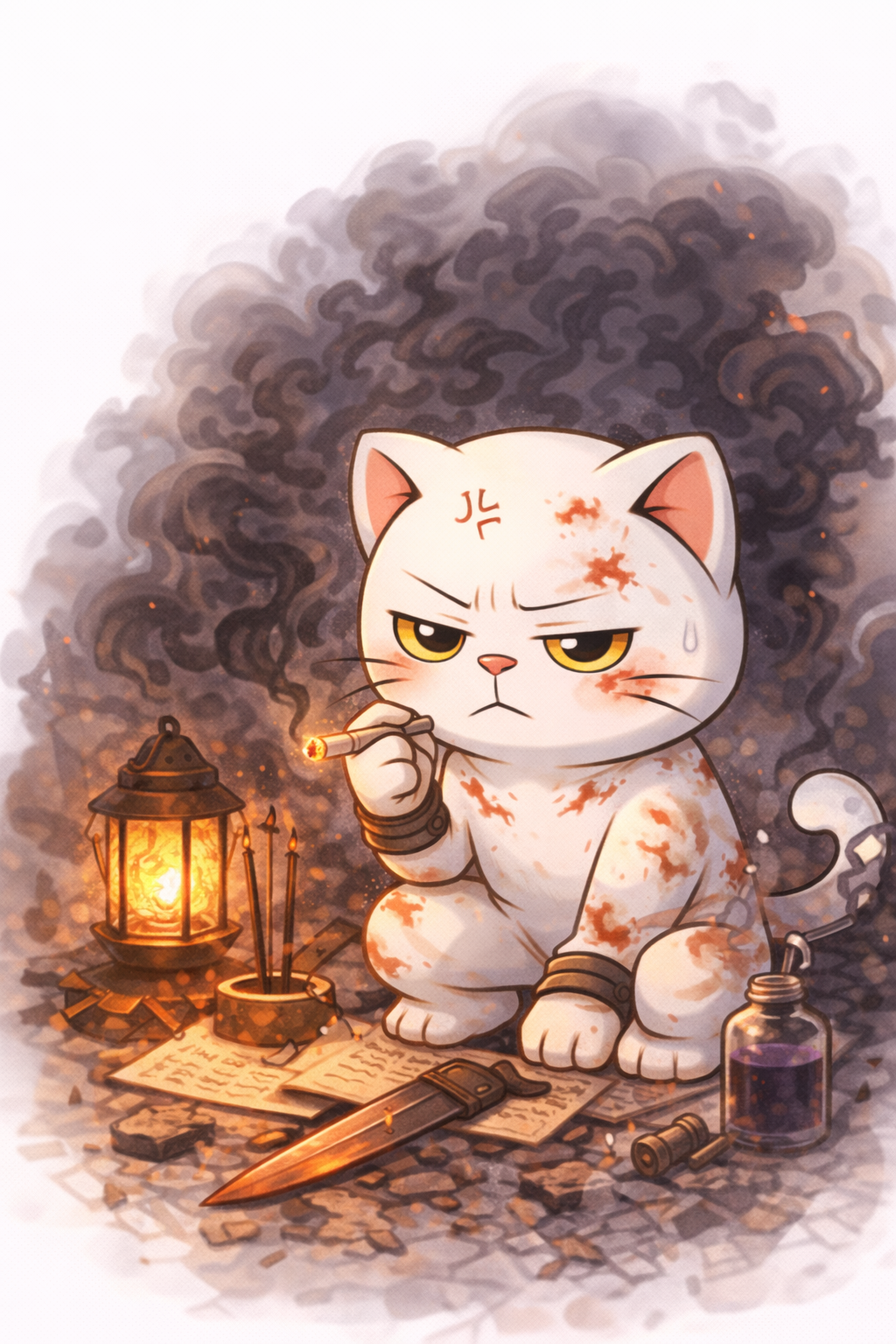
鈴星 is the smoldering ember, opposite to 火星. Its damage is silent, cold, and persistent. It governs inner torment—cold wars, grudges, psychological wounds, or plotting. 火星 is explosive anger; 鈴星 is simmering resentment. 火星 is open flame; 鈴星 is toxic smoke. Those with 鈴星 in Life can be brooding and deep, good at long‑term strategy. It can form the “Bell‑Greed” pattern with 貪狼, bringing sudden gains that are more hidden and durable than Fire‑Greed. Its downside is entangling pain; in the Health palace it points to chronic, hard‑to‑treat conditions or nerve pain. It represents lingering karmic echoes that keep one in low pressure for long periods. Positively, it grants deep planning and survival in complex environments.

ideologue

Malefic Star
ideologue star illustration

地空 is a spiritual black hole—disillusion, emptiness, wild imagination, and questioning of worldly values. Those with 地空 in Life are unconventional and often feel their efforts turn to nothing. Its greatest harm is quitting at the finish, turning plans into empty endings. It is destructive to wealth—money comes and goes, a hollow gain. Yet 地空 is also a star of cultivation and creativity. In religion, philosophy, frontier science, or avant‑garde art, it breaks frames and creates new dimensions. The saying ‘Fire meets Void, it erupts; Metal meets Void, it rings’ points to sparks of inspiration—when 地空 meets 火星, genius flashes. Its logic is to empty the body to pursue the soul, forcing one to see through illusions and return to essence.

fickle

Malefic Star
fickle star illustration

Unlike 地空’s mental emptiness, 地劫 rules bodily pain and material loss. It symbolizes an inborn sense of lack—no matter how hard one works, something seems to steal the results. Life feels like rowing on turbulent waves, volatile and hard to predict. 地劫 represents anti‑mainstream isolation and extremes, capable of destroying worldly stability in marriage, career, and assets. Yet for artists or extreme‑sport creators, it gives a die‑then‑live style. Its logic is seizure: the more you possess, the greater the force of loss. Thus those with 地劫 are suited to inner cultivation, technical research, or non‑profit paths, meeting unavoidable loss with non‑attachment.

Zi Wei Six Lucky & Six Malefic Stars | Purplestarmapper Knowledge Base